
Audience Reality Check #10
What caregiving has taught me about the people on the other side of our stories.
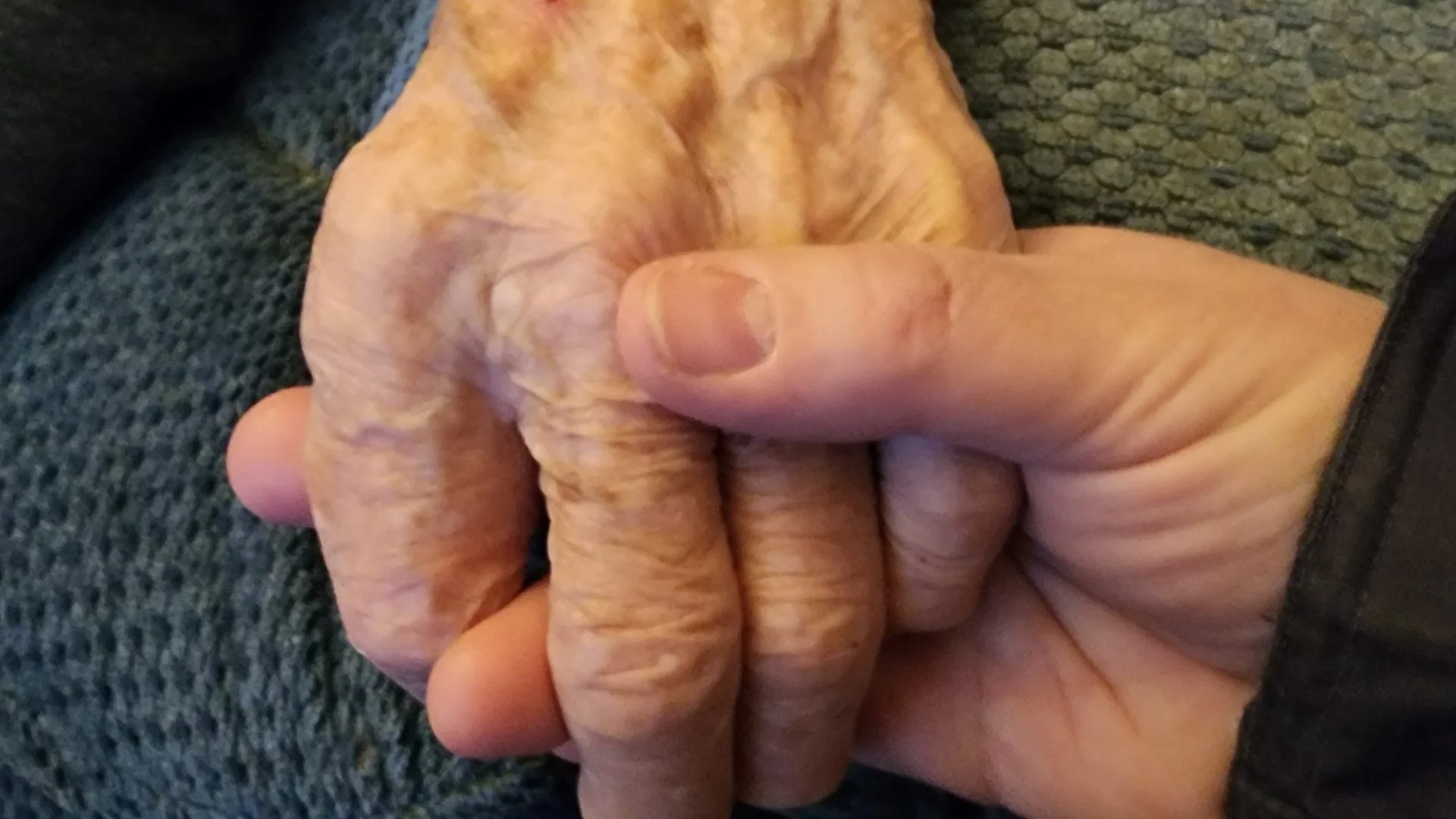
Photo by Annelise Larson
I have been a caregiver for most of my adult life, starting with my daughters and, most recently, through an intense journey with my father. Since his death, that work has continued through advocacy. For years, I thought of caregiving and my professional work as very different parts of my life. At times even competing parts, each needing more of me than I sometimes had to give.
Only recently, as I make room for grieving my dad, have I begun to appreciate how much this practice of care intertwines with my approach to audience development. It made me think that perhaps they have been coming from the same place all along. The stakes are very different, but both have taught me to question what happens when people don’t receive the attention and respect they need, especially when the systems meant to support them lose sight of whom they serve.
The Audience Has a Will of Its Own
I would argue that an audience is the most important thing a storyteller can have. Perhaps even more important than the stories themselves. That may seem provocative, but a story is, to some extent, within its creator’s control. You can decide what you want to say and how to say it. The people you hope will receive it, however, have wills of their own, many, many times over.
They decide whether to give you their time and attention, and what they make of the experience. They may find something you never intended or love one thing you make and have no interest in the next. However much care you put into creating a story and sharing it, you cannot make someone care about it. Each person has a whole life beyond the moment they encounter your work, with other demands on their energy.
When a person spends time with us, they give us something they cannot get back. I don’t think we always appreciate that gift, particularly when we are disappointed that more people haven’t given it. And because an audience is filled with individuals, each brings their own experiences and point of view to the encounter. A story can mean something different to each of them, opening up conversations and connections the storyteller could never have created alone.
Through those individual encounters, our stories gain a life in the world. Someone sees their own experience differently, or carries the story to someone else who needs it. Their willingness to pay for access, or give the time and attention that generates revenue, also makes a sustainable creative business possible. Everything we hope our stories might do depends on people choosing to let them into their lives. Otherwise, these tales might as well stay in a shoebox under the bed or an unvisited folder in the cloud.
The Care and Feeding of Audience
For years, I’ve thought of the work following that initial moment of discovery as the “care and feeding” of an audience. It’s a playful phrase for something I take seriously: once a relationship begins, it needs to be nurtured. And that nurturing needs to continue well after they watch the film. This only gets more difficult if we don’t really understand who they are, what they value and where they gather.
Caregiving has also made me conscious of what gets lost when a person becomes a category. A medical assessment can provide essential information, but risks reducing a person to a diagnosis. Understanding who they are, how their life is affected and what matters to them requires an ongoing conversation.
With a target audience, knowing someone’s age and location tells us little about why they might connect to and desire a story. A shared experience of a specific kind of caregiving, for instance, can connect people across generations and geography more strongly than any demographic category. Those connections may become visible in a Facebook group or a community advocacy organization. Finding where people already gather gives us useful audience intelligence, but it also gives us somewhere to begin listening. What people value there should inform how we approach them and what we invite them into.
My caregiving journey has also changed how I interpret absence. Something that looks like unwillingness might just be exhaustion, or conditions that make participation difficult. We put a film somewhere, tell people it is there and when they don’t show up we can be quick to conclude they aren’t interested. Sometimes that will be true (people are allowed to be uninterested in a movie!). But sometimes we haven’t made the connection clear, or seeing the film is more difficult than their lives can accommodate.
Listening While There is Room to Respond
In audience work, we all too often start asking questions when there is little room for the answers to influence what happens next. The film is finished and the release is booked; we want to persuade people to participate in a journey that has already largely been decided. We need to listen earlier, while meaningful decisions are still open. That doesn’t mean handing creative control over to an audience. But it does mean allowing what we learn to inform the relationship we are trying to build and even the story we are trying to tell.
Respect for agency belongs here too. Loving someone does not mean you know everything they want, and caring for them sometimes means supporting a choice you would not have made. With creative work, we can offer an invitation and make it easier to accept, but the choice belongs to them. Nurturing an audience cannot come with an expectation of obedience.
Relationships Need Somewhere to Live
This is where care connects most directly to audience infrastructure. We need ways for relationships to continue between projects: for instance, a permission-based newsletter or a community space with someone paid to keep the conversation going. The creator economy offers a useful model, building an ongoing relationship into which new stories and experiences can be introduced. This means that key people in that audience may already be further up the Audience Ladder, familiar with the creator and interested in what comes next, even if each new story still has to earn their attention. A project-by-project approach can leave us with a kind of amnesia, where teams and the organizations that support them disperse to other projects and what has been learned about their audiences disappears with them. Then the next project has to start at the bottom of that ladder, building audience relationships all over again.
That doesn’t mean every filmmaker should be endlessly available. Caregiving has taught me that systems can depend far too heavily on someone quietly doing more than they can sustain. Audience relationships deserve a place in how we plan and fund the work, rather than depending on whoever keeps answering after the budget runs out.
Public funders have a part to play too. If reaching audiences is part of the purpose of public investment, maintaining those relationships deserves explicit support. That means funding audience research between projects and paying people to sustain community engagement after release. Allowing these costs in a project budget is only a start. Funding needs to last long enough for audience relationships to take root and continue beyond release. We cannot keep asking people to put audiences at the centre without giving them the means to stay in relationship with them.
I am not writing this from the other side of the experience. My active caregiving role with my dad has ended, but my role as an advocate has not. There are still questions I am trying to get answered for other families with circumstances like ours. Perhaps that is why I am thinking so much about what it means to keep paying attention after a formal process has ended.
In my professional life, I keep returning to the idea that audience is the strategy. And I am beginning to understand more fully what that asks of me, and what support we need to put it into practice. The systems we work within have to give us room to listen and respond. If people are at the centre of the work, what they tell us has to be able to change how we do that work.